If you have started to notice more hair in the shower, a wider parting, or a hairline that has crept back, you are not alone. Hair thinning is common in men, and the causes are not always the ones people expect.
Hairé was founded in Cape Town by hair transplant surgeon Dr Boudine “Bo” Lohlun of Hairfront. In practice, she hears the same question again and again: why am I losing my hair.
This article sets out seven realistic hair loss causes in men, with an eye on everyday life in South Africa. It is not a diagnosis. Hairé is a cosmetic haircare range. If your shedding is sudden, patchy, painful, or comes with other symptoms, speak to a doctor or a hair specialist such as Hairfront.
1. Androgenetic thinning, DHT and family history
The most common pattern is androgenetic thinning, often called male pattern hair loss. It is influenced by genetics and by dihydrotestosterone (DHT), a hormone that can miniaturise follicles that are sensitive to it. Over time, those hairs grow finer and the growth cycle shortens.
It usually starts at the temples or the crown and moves gradually. Because the change is slow, many men only notice it once a photograph from above, or a shorter haircut, makes the scalp easier to see. A father, brother or maternal grandfather with a similar pattern is a useful clue, though two men in the same family can thin at very different ages.
Cosmetic haircare cannot change your genes or switch off DHT. What it can do is support a clean, comfortable scalp while you decide, with a clinician if needed, whether medical assessment is the next step.
2. Chronic stress and telogen effluvium
A hard season at work, poor sleep, a fever, surgery, or a sudden shock can push a larger share of follicles into a resting phase. Two or three months later, hair may shed more heavily than usual. This pattern is known as telogen effluvium.
The shed can feel abrupt, and it is often temporary once the trigger eases. The difficulty, especially for working men in cities such as Cape Town, Johannesburg and Durban, is that the stress does not always have a clear end date.
If stress is part of the picture, treat the cause as seriously as the hair. Sleep, workload and recovery matter more here than any bottle. A consistent scalp routine can sit alongside that work. It will not replace rest, but it can reduce extra strain from a dry or irritated scalp while the cycle recovers.
3. Nutritional gaps: iron, zinc and protein
Hair is a protein fibre. Follicles need enough protein, iron, zinc and overall nutrition to stay in a healthy cycle. Restricted eating, crash dieting, very low protein intake, or a diet long on convenience food and short on variety can show up in the shower weeks later.
This is easy to miss. A man who trains hard, skips breakfast, or eats the same narrow set of meals may feel fine and still have a gap that only appears on blood tests. Low iron stores (ferritin), low zinc, or simply not eating enough can all contribute to shedding.
Do not self-prescribe high-dose supplements. Some nutrients are harmful in excess. A GP can check iron, ferritin, vitamin D, thyroid function and other markers, and advise on food first. Regular meals, enough protein and a varied plate are the practical starting point if nutrition is involved.
4. Scalp inflammation and build-up
A congested or inflamed scalp is an under-discussed reason hair can feel thinner or shed more readily. Product residue, excess sebum, sweat and city pollution can sit around the root area. Itch, flakes, tightness, or a scalp that is persistently oily or uncomfortable are signs that the environment around the follicle needs attention.
This is not the same as genetic thinning, but the two can coexist. Regular, appropriate cleansing is the starting point.
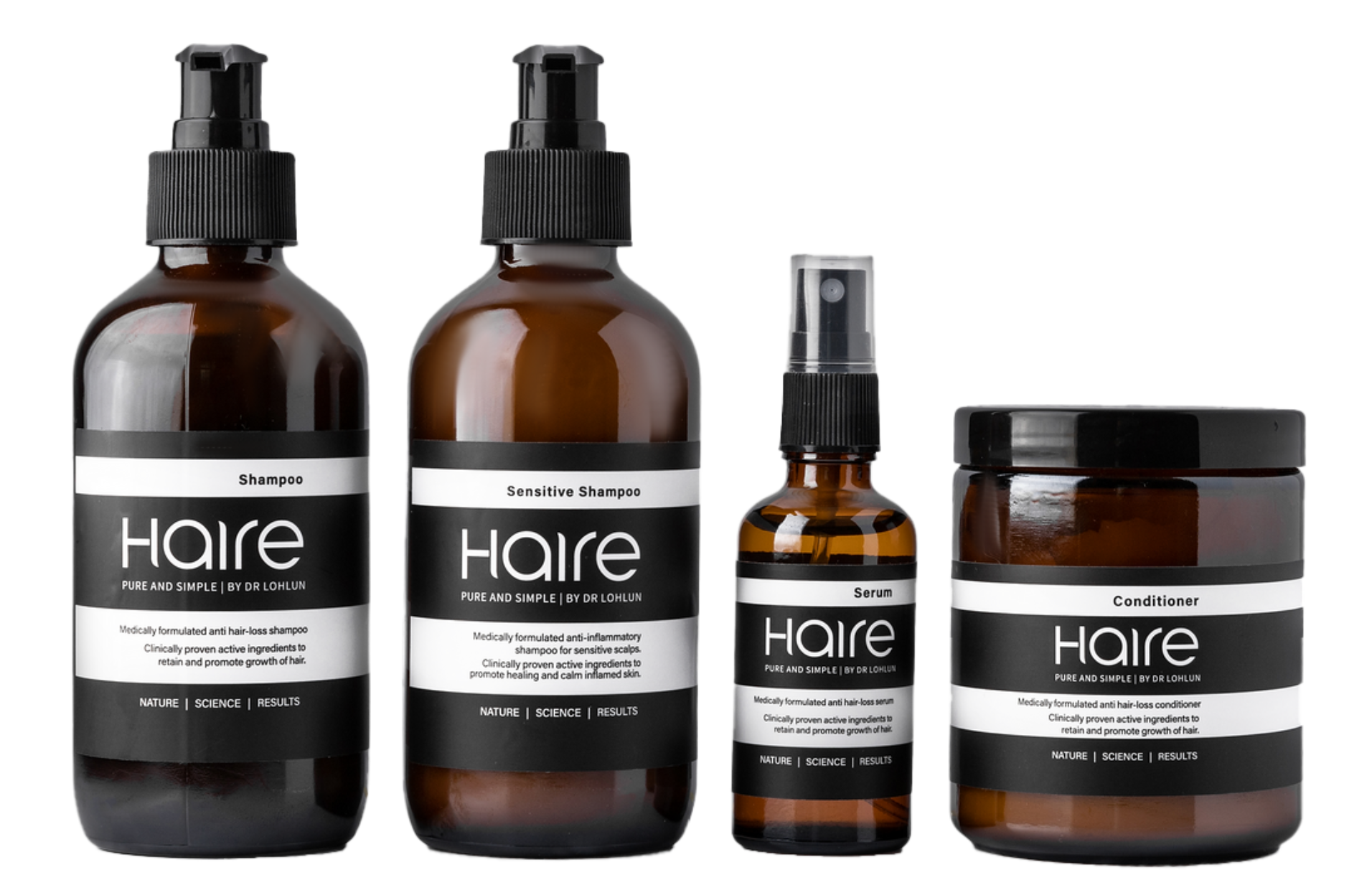
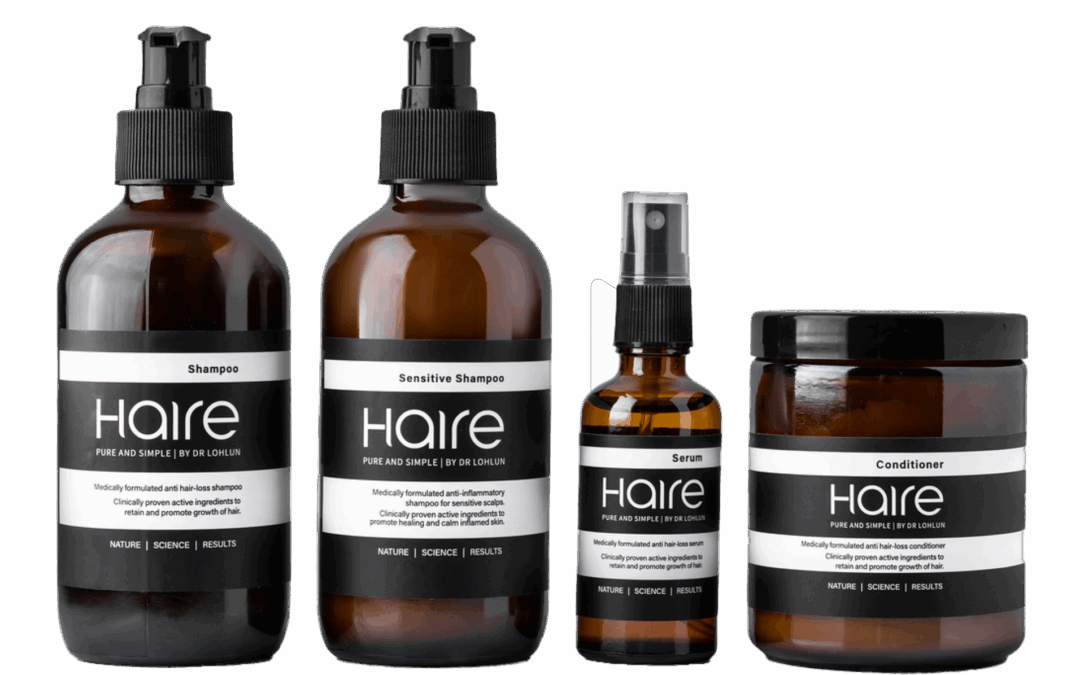
If your scalp is easily irritated, start gently. Hairé Shampoo For Sensitive Scalp is formulated with D-Panthenol, Epi On, Duraquench and Niacinamide, and is made to cleanse without unnecessary harshness.
If your main concern is a congested scalp and you tolerate a more active formula, Shampoo With Anti Hair Loss Actives is formulated with Procapil, Redensyl, Niacinamide, Caffeine, peppermint oil, green tea extract, tea tree oil and charcoal. These cosmetic actives are included to support scalp health and help reduce hair fall from breakage. Results vary from person to person.
5. South African sun, salt and chlorine
Life here is hard on hair in ways that a northern winter is not. Cape Town summers, Highveld UV, weekend swimming and coastal air all reach the hair and scalp. Strong sun can dry the hair shaft and leave the scalp tight or uncomfortable. Salt water and chlorine can do the same, especially when hair is left unrinsed after the sea or the pool.
This kind of exposure does not, on its own, explain genetic thinning. It can increase dryness, breakage and the appearance of thinner hair. A hat in harsh UV, a freshwater rinse after swimming, and regular conditioning help reduce that everyday wear.
Hairé Conditioner is formulated with Procapil, Redensyl, niacinamide, peppermint oil, caffeine, tea tree oil, fenugreek and jojoba oil. It is made to hydrate the hair after cleansing and leave it more comfortable, especially after sun, sweat or swimming.
6. Harsh styling, heat and traction
How hair is treated day to day matters. Tight styles that pull on the hairline, frequent hat friction, aggressive towel drying, and high-heat tools can weaken the shaft. Traction and breakage are not the same as follicle miniaturisation, but the result in the sink can look similar: more hair coming away than you expect.
Short, frequently cut hair is not automatically safer. Daily clipper work or a cap rubbed over the same spots can still roughen the hair. Wet hair is more vulnerable, so be gentle after washing, and avoid styles that tug at the hairline for long periods.
A lightweight leave-on product can help the scalp feel more comfortable between washes. Hairé Leave In Serum is formulated with copper peptide, caffeine, Procapil, Redensyl, rosemary seed oil and grape seed oil, and is designed to absorb easily into the scalp.
7. Underlying medical or thyroid factors
Sometimes hair loss is a sign of something else: a thyroid imbalance, an autoimmune condition, a medication effect, a scalp disease, or a deficiency that needs medical treatment. Sudden shedding, coin-shaped bald patches, pain, heavy flaking, or hair loss together with fatigue or unexplained weight change should not be managed with shampoo alone.
This is the point at which a doctor, a dermatologist, or a hair specialist such as Dr Lohlun at Hairfront should be involved. They can examine the scalp, take a history, arrange tests if needed, and discuss medical treatment or procedures where appropriate.
Hairé products are cosmetic. They are not intended to diagnose, treat or cure any medical condition, and they are not a substitute for a clinical opinion. If you are unsure which of these seven causes applies to you, start with a medical conversation rather than a guess.
A simple routine while you work out the cause
You do not need a complicated shelf of products. Dr Lohlun’s Hairé routine is built around a few clear steps: cleanse with the shampoo that matches your scalp, condition, and apply a leave-in serum. A titanium dermaroller can be used with the serum, as directed, to help it absorb.
- Start with Shampoo With Anti Hair Loss Actives, or Shampoo For Sensitive Scalp if your scalp is easily irritated.
- Follow with Conditioner.
- Finish with Leave In Serum on the scalp, as directed.
Give any routine time, and judge it honestly. Results vary. If a product does not feel right, stop and seek advice. For a medical assessment, Hairfront in Cape Town is the clinic behind the doctor who formulated Hairé.
Results vary from person to person. Hairé is a cosmetic haircare range and is not intended to diagnose, treat or cure any medical condition. This article is for general information only and does not replace a consultation with a doctor or hair specialist. If your hair loss is sudden, patchy, or comes with other symptoms, please see a doctor.